


Aging of game meat — guide for hunters
Aging is the single most important process that determines whether your game meat becomes a gastronomic experience or a disappointment. In this guide, we cover everything you need to know about aging game — from the biochemistry behind the process to practical temperatures, times, and common mistakes. All gathered in one place, and grounded in how we at Tendy work with aging in our system.
Why aging is so important
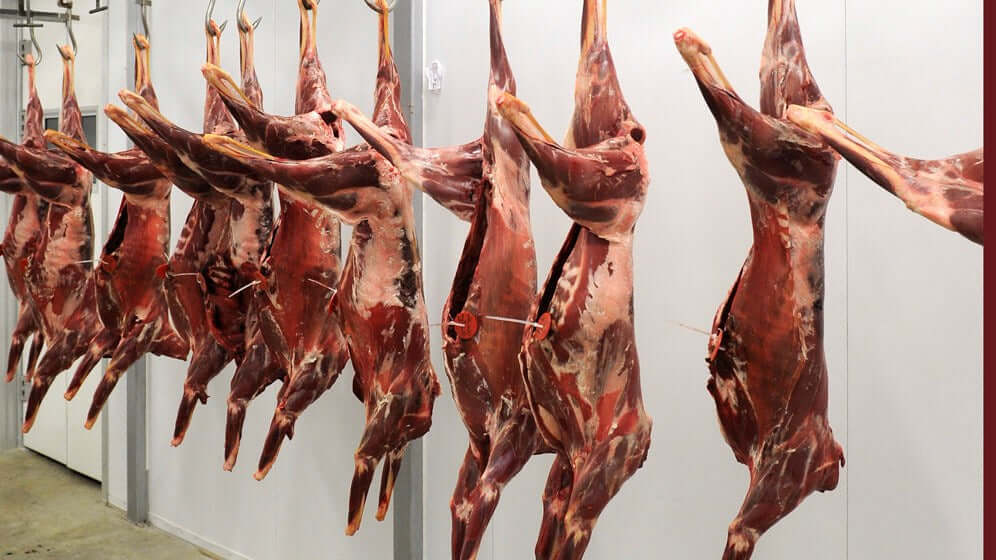
When an animal is killed, a series of biochemical processes start in the muscles. Immediately after the animal dies, the meat stiffens in what is called rigor mortis, where the muscle fibers contract and can make the meat tough if cooked too early. Only when the meat is allowed to hang under controlled conditions do natural enzymes begin to break down muscle fibers and connective tissue, giving the meat the tenderness and deep flavor that hunters and chefs seek.
Aging is therefore not the same as letting the meat "rest" — it is a controlled process that lasts for days and requires the right temperature, the right humidity, and the right amount of time. If done incorrectly, you either get tough meat or, worse, meat spoiled by microbial growth. If done correctly, you get meat that tastes significantly better than meat delivered immediately after the shot.
What happens in the meat during aging
The aging process is driven by two main mechanisms. The first is enzymatic breakdown, where the body's own proteases — especially the enzyme calpain — cleave the structural proteins of the muscle fibers. This is the process that makes the meat tender. The second is a gradual change in the pH of the muscles, where lactic acid is formed and lowers the pH value, which affects both the texture and creates the characteristic game flavor. Both processes are temperature-dependent. If it’s too warm, microbial growth becomes a problem before the enzymes have done their work. If it’s too cold, aging proceeds too slowly and you risk losing weight value through drying out before the meat has become tender enough. That is why temperature control is at the heart of all serious aging.
Right temperature and time
The temperature that works best for aging game meat is between 2 and 4 degrees Celsius. It is cold enough to keep microbial growth in check, but warm enough for the enzymes to work effectively. Humidity should be kept between 70 and 85 percent — too dry and the meat forms a hard crust that prevents even aging, too humid and you get problems with surface bacteria.
How long the meat should hang depends on the animal species and cut. As a rule of thumb, the following applies:
- Roe deer: 5–7 days at 2–4 °C for whole bodies, 3–5 days for cut pieces
- Moose: 7–14 days at 2–4 °C, sometimes up to 21 days for larger bulls
- Wild boar: 3–7 days at 2–4 °C — shorter than moose because wild boar meat has a different fat structure
- Deer (fallow and red deer): 7–10 days at 2–4 °C
Dry aging or wet aging — which should you choose
There are two basic methods for aging game meat. In dry aging, the meat is hung freely in a cold room or game cabinet where air circulates around the meat. The surface slowly dries and forms a protective layer called a pellicle, while the enzymes work inward. This method gives a more concentrated flavor and is considered by many to be the most traditional form of aging.
In wet aging, the meat is vacuum-packed immediately after rough cutting and allowed to mature in the packaging. The aging then takes place in the naturally occurring meat juices without air exposure. The result is a mild and tender meat with higher yield since no drying occurs, but the flavor is less intense than with dry aging.
Many experienced hunters use a combination: dry aging for a few days followed by wet aging after rough cutting. This way you get both flavor and shelf life. Regardless of method, temperature control is crucial — and that is exactly where Tendy’s system is designed to help you.

How to control the aging process with Tendy
The biggest source of error during aging is not knowing the actual temperature where the meat is hanging. A game cabinet set to 3 degrees can in practice be at 1 or 6 degrees depending on where the measurement point is located in the cabinet, how often the door is opened, and how full the cabinet is. That is why Tendy's aging timers are designed to measure the temperature exactly where the meat actually is.
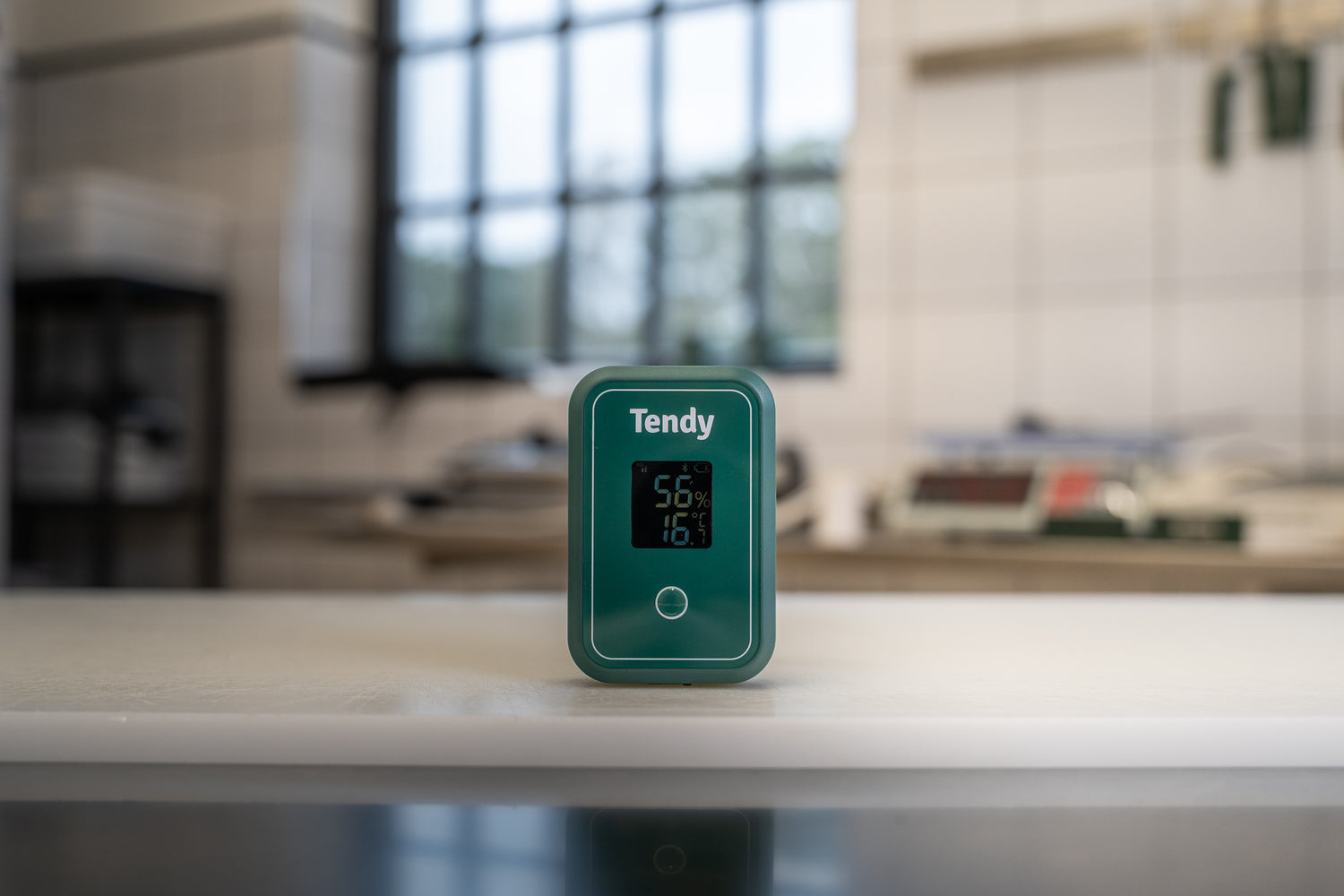
Tendy Nemus is an IP67-rated, waterproof aging timer that you hang next to the meat. It continuously logs the temperature throughout the entire aging process and syncs the data to the Tendy app so you can see the temperature curve over time. If the temperature goes outside the set range, you get a notification directly on your phone — no more worrying about opening the freezer and finding spoiled meat.
Tendy Lucus 4G takes it a step further. With a built-in 4G modem and 4000 mAh battery, Lucus works independently of Wi-Fi, making it perfect for game cabinets in the hunting cabin, cooling containers in the forest, or the garage where you don’t have network coverage. Unlimited number of aging processes, real-time monitoring, and alarms — even when you are hundreds of miles away.
Both devices log all data in the Tendy app, which serves as the hub for the entire aging management. You can see exactly when the meat has reached the right aging level based on actual temperature over actual time — not guesses.
Cooling before aging — a requirement according to Swedish food hygiene regulations
Before the actual aging can begin, the carcass must be properly cooled down. According to Swedish guidelines for handling game meat, all carcasses and all meat must be cooled to no more than +7 °C, and edible organs such as liver, heart, and kidneys must be cooled to no more than +3 °C. The cold chain must then remain unbroken until consumption or freezing.
The reason is that most disease-causing bacteria stop growing at temperatures below +8 °C. The exception is Yersinia and Listeria bacteria, which can grow down to +4 °C, but even these have significantly reduced growth rates at low temperatures. Therefore, the goal is always to reach the 2–4 °C range as quickly as possible — both for safety and quality.
If the outdoor air temperature is above +8 °C as a daily average — which can happen early in the hunting season — the meat must not be stored in non-cooled spaces longer than absolutely necessary. This type of temperature control is exactly what Tendy Nemus and Lucus 4G are designed to visualize and alert about.
Common mistakes and how to avoid them
The most common mistake is an aging space that is too warm. Many hunters use a regular fridge where the temperature varies too much with each door opening. The result is often spoiled surface and poor taste. The solution is a dedicated game cabinet or a well-insulated cold room — and continuous temperature logging so you know the temperature has really been stable.
Another common mistake is aging the meat for too long. Sure, moose can hang for three weeks, but deer hanging that long won’t improve — just become drier and more prone to mold. Follow the recommendations per animal species and let the temperature history determine when the meat is ready, not the calendar.
The third mistake is not documenting. Without logging, you have no idea what went well or badly if the meat turns out strange, and you also can’t prove to a potential buyer that the temperature was maintained. In the Tendy app, all aging processes are automatically saved with date, temperature curve, and linked cutting information — your own game traceability, without extra work.
Note — the rules described apply to Sweden
The specific temperature requirements described in this article (+7 °C for carcasses, +3 °C for edible organs) follow Swedish and EU-wide food hygiene legislation applied in Sweden. If you are in another country — for example Germany, Austria, France, or Poland — corresponding but somewhat different rules apply. Always check the local regulations with the respective country's food authority. However, the basic principles of aging (temperature, humidity, time) are universal and apply regardless of country.
Sources
- Food Agency regulations LIVSFS 2024:6 on hunters' deliveries of small quantities of wild boar and wild boar meat
- National Veterinary Institute (SVA) — Special training in hygienic slaughter of wild boar
- Food Agency — Primary production, hunting, and game (livsmedelsverket.se)
- Tendy's own product documentation for Nemus, Lucus 4G, and the Tendy app
Tendy | tendy.se